
The Art of Softening: Understanding the Nervous System
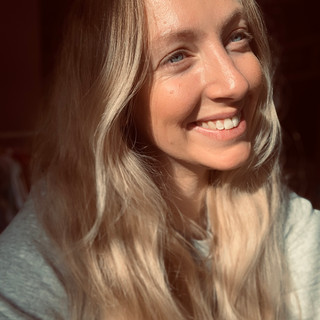

Understanding Stress, Our Nervous System States And Why Learning How To Regulate Ourselves Matters For Our Wellbeing.
Why This Is Important
I’ve learned a lot of things about myself over the last few years, and understanding my nervous system has been one of the most important. I'm not in any way a nervous system expert, but I do understand my own. I recognise my triggers, and why I have them. I notice when my body reacts before my rational mind has had a chance to catch up. I know what happens in my body when my nervous system is in a high state of stress. Most importantly, I’ve learned what calms me down, and what brings me back into a state of safety.
I certainly don’t get it right every time, but learning to recognise when and why I’m becoming triggered, stressed or overwhelmed has made an enormous difference to my life. The more I’ve learned about my nervous system, the more I’ve also realised that this isn’t always about feeling calmer (and sometimes calmer isn’t what’s required, sometimes we need to be activated on on ‘high alert’.)
But something I want to speak on is this - Our bodies need opportunities to switch off.
Below you'll find a Youtube clip on the 'Negative effects of stress on the body' by Kerwin Rae.

Real Danger. Perceived Danger. The Body Responds.
How Our Bodies Can Respond To Anticipated or Perceived Threats
In my previous blog, The Stories We Tell Ourselves https://www.heathernewman.co.uk/post/limiting-beliefs-and-the-stories-we-tell-ourselves, I explored how our thoughts and the stories we repeatedly tell ourselves can influence the way we see ourselves, other people and the world around us.
But those stories don’t necessarily stay in our heads.
Our bodies can respond to them too.
Think about lying in bed worrying about something that might happen tomorrow. Nothing is physically happening to you in that moment-you are safe in bed-yet your heart might beat faster, your breathing may become shallower, your stomach might tighten and your muscles tense.
Or perhaps you receive a message from somebody you have a difficult relationship with and feel the physical reaction before you’ve even properly processed what they’ve written. Our nervous system is constantly receiving information and helping us respond to what is happening around us, and sometimes the “danger” our body responds to isn’t physical danger at all.
It might be conflict, rejection, uncertainty, work pressure, a difficult memory, an overflowing to-do list or simply the anticipation of something that hasn’t happened yet.
In simple terms, when our nervous system is activated into ‘fight or flight’ what's happening is it’s perceiving ‘something’ as a threat - and that threat can be as simple as the way someone is speaking to you.
The situation might only exist in our thoughts at that moment, but the stress we experience in our body can feel very real (Refer to Kerin Rae Youtube Clip above)

Your Body Isn't Working Against You
The Nervous Systems Job Is To Protect Us
Our nervous system is an extraordinary communication network connecting the brain and body, constantly helping us respond and adapt to what is happening inside and around us.
Part of the autonomic nervous system is involved in processes we don’t have to consciously control, including aspects of heart rate, breathing and digestion. When we begin to understand our stress responses, and take control of them, we are able to reset our autonomic nervous system; through slow breathing for example which helps us to de-stress quickly!
Flipping The Switch
The sympathetic nervous system helps mobilise us for action (Fight, Flight, Freeze or Fawn)
The parasympathetic nervous system supports rest, recovery and digestion.
We need both.
Being activated isn’t bad; we need energy to exercise, concentrate, respond to challenges and protect ourselves when necessary.
The difficulty comes when we spend too much time feeling switched on and don’t give ourselves enough opportunity to come back down. Stress isn’t the enemy. Staying in a state of stress without enough recovery is where problems can begin.
This is why learning to switch off has become so important to me. I can’t remove every stressful situation from my life, but I can recognise when my mind and body need an opportunity to recover.

What Survival Mode Can Look Like
The Nervous Systems Job Is To Protect Us
Most of us have heard of fight or flight, but our protective responses are also commonly described as fight, flight, freeze and fawn.
These are useful ways of understanding some of the things we might do when we feel threatened, overwhelmed or unsafe.
Fight might show up as anger, irritability, defensiveness, frustration or a need to regain control.
Flight might look like anxiety, racing thoughts, restlessness, excessive busyness, avoidance, leaving or feeling like you need to escape.
Freeze can feel like shutting down, going blank, becoming numb, struggling to make a decision or simply feeling stuck. Freeze can be your body’s way of ‘playing dead’.
Fawn can show up through people-pleasing, avoiding conflict, over-explaining, putting somebody else’s needs before our own or trying to keep everybody happy in order to feel safe.
I can recognise parts of myself in more than one of these responses, and learning about them has helped me replace some of the judgement I once had towards my reactions with curiosity. Instead of immediately asking “What is wrong with me?”, I can now ask, “What is happening in me?”
The link below shows how Animals shake to release trauma, allowing it to be processed out their bodies. But humans, well, we tend to hold on to it. The energy isn't released, gets stuck and can then lead to chronis stress, anxiety and even pain.

When the Present Touches the Past
If It's Hysterical, It Could Be Historical
This is where learning about my nervous system has become particularly personal. I’ve realised that when something triggers a much bigger reaction than the situation seems to warrant, there is sometimes something underneath it.
I’ve heard it said “If it’s hysterical, it’s historical”
Something happening in the present may have touched an old fear, hurt or pattern from my past. That doesn’t mean every uncomfortable feeling is trauma or that every reaction needs to be picked apart and analysed, sometimes we are simply angry, tired, upset or having a rubbish day.
But I’ve become better at recognising when something feels bigger. Instead of immediately reacting from that feeling, I try to create a little pause and ask myself, “What has actually happened here? Why has this affected me so strongly? Is all of this about now, or has it touched something older?”
Sometimes I realise I’m responding from an old pattern that once helped me cope but doesn’t serve me anymore. Understanding that doesn’t automatically remove the feeling, but it can give me something incredibly valuable: a choice about what I do next.
We always have a choice and I'm so very grateful for this awareness!

When Survival Becomes The Default
What Happens When We Spend Too Much Time In Flight, Flight, Freeze or Fawn
Our bodies are designed to deal with periods of stress, so feeling stressed occasionally isn’t something we need to fear. The problem is when stress becomes chronic and we spend long periods feeling ‘switched on’ without giving our minds and bodies enough opportunity to recover.
Stress can show up differently for everyone, but prolonged stress can be associated with tight shoulders, neck and back tension, jaw clenching, headaches, changes in breathing or heart rate, digestive problems, disrupted sleep, fatigue, difficulty concentrating, irritability, anxiety and racing thoughts.
You might feel exhausted but unable to switch off, find yourself becoming more reactive to small things or notice that your capacity for everyday pressures feels much smaller than usual.
Chronic stress has also been associated with wider effects on cardiovascular, metabolic and immune health.
This doesn’t mean we should become frightened of stress-that would defeat the purpose-and physical symptoms should never automatically be dismissed as “just stress”. But it does remind me that recovery is not an indulgence.
Our bodies genuinely need it.

Softening Isn't Giving Up
The Importance Of Slowing Down, Regulating And Giving The Body Opportunities To Rest And Recover
I used to think having a regulated nervous system essentially meant being calm, but we aren’t supposed to be calm all the time. A well-regulated nervous system can still become activated, and it is supposed to, that is what they are built for.
We will experience anger, excitement, worry, fear, grief and stress because those emotions are part of being human.
For me, regulation is more about flexibility — recognising when I’ve become overwhelmed, activated or shut down and knowing what can help me return to a place where I feel present, safe and able to cope.
Being able to regulate and recover can support our overall wellbeing in so many interconnected ways:
better rest and sleep,
less unnecessary muscular tension,
clearer thinking and concentration,
greater emotional awareness,
more capacity to pause before reacting,
better awareness of our needs and boundaries,
more connection in our relationships
an increased ability to recover after stressful experiences.
The goal isn’t to stay perfectly regulated forever.
It’s becoming aware of when we are stressed, what it feels like in our own bodies and then learning how to find our way back.

Three Simple Tools I Come Back To
Breathing. Mantras. Tapping.
I’ve learned what helps me come back to myself. Sometimes it’s slowing my breathing and consciously dropping my shoulders or unclenching my jaw.
***
My Breathing Technique - In for 4, pause for 4, out for 6
My Mantras - I'm safe, I'm loved, I'm exactly where I'm meant to be, I am always enough.
My Tapping - "Even though I make mistakes, I still love and accept myself
***
Sometimes it’s going outside, walking, listening to music, talking to somebody I trust or simply having some space and being quiet.
Sometimes it means putting a boundary in place, because calming ourselves doesn’t mean continually tolerating situations that make us feel unsafe or uncomfortable.
I use breathing, mantras and tapping but also dancing and stomping. Wild dancing is probably my favourite go to when I need to move energy out my body; sometimes I cry, sometimes I scream!
Sometimes I simply have to remind myself, “I am safe" - For me, it can be that simple.
What helps one person regulate may not work for somebody else, and I think part of the process is becoming curious enough about ourselves to discover what genuinely helps us feel grounded, present and safe.

Sometimes, Safety Has a Scent
Smell, Memory, Familiarity and the Environment We Create
I’ve also become somewhat fascinated by how much our senses and surroundings can influence how we feel.
A smell can transport us somewhere in seconds, music can completely change the atmosphere of a room, and warmth, softer lighting, familiar sounds and touch can all contribute to whether an environment feels stimulating or restful.
This is something I think about when preparing my massage room. The scent, warmth, lighting, music, pace, touch and familiarity are intentional because I want to create an environment where, for a little while, there is nowhere else you need to be and nothing else you need to do.
Massage isn’t a cure for chronic stress and I would never claim that one treatment can magically “reset” somebody’s nervous system, but it can provide something I think many of us desperately need more of: permission to stop.
At the core of what I do, is giving my clients a space where they feel safe enough to let go, allow their bodies to feel heavy and let their nervous systems switch into a deep 'rest and digest' state.

The Goal Is Not Perfection, That Doesn't Exist.
I'm Still Learning
I’m still learning about all of this. There are things from my past that I haven’t completely healed from and old patterns that occasionally appear when I thought I had left them behind.
But I know myself better now.
I know how stress feels in my body, I recognise more of my triggers, I understand my patterns and, most importantly, I know how to calm myself and make myself feel safe when I become stressed or overwhelmed.
I’ve learned that when my reaction to something feels particularly strong, it can be worth asking whether I’m responding only to what is happening now or whether something older has come along with it. It isn't always easy to do this in the moment, sometimes, the safest thing we can do is to take a pause, get some space and come back to a situation with a clearer mind.
Sometimes I recognise it before I react and sometimes I don’t.
Sometimes I regulate myself really well and sometimes I absolutely don’t.
I’m still learning, and perhaps I always will be.
But I know better now, so I do better.
Not perfect.
Just better.


